Listen, I get it. You’re broke, probably tired and the last thing you want to do after pulling an all-nighter in the library is think too hard about food. The predictability of the Dobbs Common Table or the low-effort comfort of a microwaved ramen packet feels tempting, but easy has its limits, and boredom is one of them. Instead of defaulting to another pre-packaged meal, there is a far better option a 15-minute drive away from Emory University: Your DeKalb Farmers Market (YDFM).
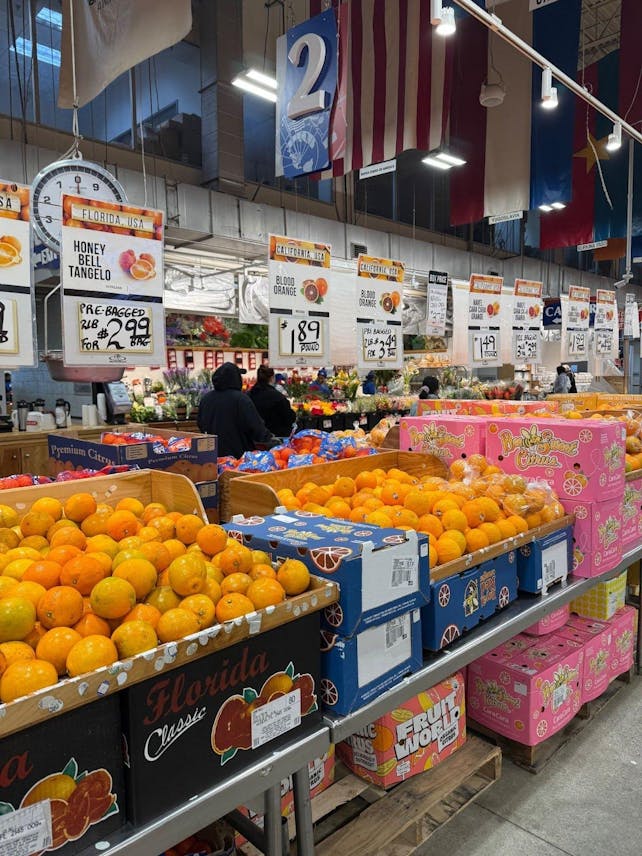
YDFM is not just a grocery store — it is an exercise in scale. As you enter, the sheer volume of food is almost comical. Produce bins stretch in every direction, overflowing with passion fruit, guavas, winter melons and rambutans. There are cacao beans, fresh turmeric roots and dried ancho chiles sold in bulk, alongside unfamiliar versions of familiar items — for instance, the unique Arkansas Black apple that uncannily carries the taste and texture of a pear.
The market began in 1977 as a small produce stand, gradually growing over the years to fill its current 140,000-square-foot warehouse in Decatur, Ga. Robert Blazer, YDFM’s founder, maintains ownership with his wife and son. According to Rough Draft Atlanta, Blazer appreciates Atlanta’s diverse community for its support of YDFM, claiming that he didn’t promote the market through advertising, instead depending on word of mouth and the premium quality of the products themselves. When customers of different cultural backgrounds requested niche ingredients and items, Blazer provided them, gradually building connections across various groups and generations.
Internally, the market functions around understanding and teamwork, focusing on people first. YDFM embraces diversity and cultural exchange, valuing employees’ origins with name tags listing the languages they speak. Operating as a hub for the community’s various cultural backgrounds, the market’s aisles feel like live catalogues of global pantry essentials. Shoppers push carts piled high with ingredients from every corner of the world. Where many grocery stores gesture vaguely toward “international foods” stacked indiscriminately on the same shelf, YDFM stocks the actual building blocks for international cooking — curry pastes, vinegars, masa harina and an expansive variety of rice. Not to mention, the market boasts hundreds of containers of spices piled high, suggesting that genuine cooking starts here.
As Emory hosts international students from over 100 countries, the market offers products from over 180 — bringing satisfaction to the homesick cravings that any student may have. While campus dining serves up what I can only assume are focus-grouped approximations of “global cuisine,” YDFM supplies items shipped directly from the countries of Emory’s student body, bringing a piece of students’ homes all the way to Decatur.
For the MicroFridge-limited dorm-dweller, prepared foods are everywhere and impossible to ignore at YDFM. Hot and cold cases hold flavorfully spiced curries, lemon pepper rotisserie chickens, Afghan rice dishes, soups stacked deep and wide, chicken pot pies and perfectly crimped quiches. Towering layer cakes and pastries sit artfully behind glass, with individually packaged slices calling to patrons who fail to “only get one item” on a shopping mission. Nearby, deli counters slice meats to order as a neighborhood butcher shop would, sitting across from an entire section devoted to yogurt, an aisle featuring dozens of homemade pastas in every shape and a wall of freezers stocked with colorful stacked sorbets.
Shopping here flips the usual grocery store dilemma. At big box chains, you are stuck choosing between 30 brands of the same jarred salsa or salad dressing. At YDFM, the struggle is choosing between 15 dressings you did not know existed, while craving them all. The market disrupts the usual triangle of quality, price and selection by offering all three at once. Since items are sourced directly and usually priced by weight, a full cart expands beyond what a typical shopper would expect. Six bags of groceries set me back about $75, stocking my fridge and pantry with fresh produce and dried staples that would cost far more elsewhere.
The greatest joy of YDFM, though, is discovery. Each visit presents dozens of opportunities to try something new — a fruit you have never tasted, a spice you cannot pronounce, a prepared dish you did not plan on buying but cannot leave behind. Here, grocery shopping stops feeling like a chore and becomes an invitation to explore.
You might come for basics and leave with something unexpected, and in a place like YDFM, that is the point.