Across the United States, a preventable public health crisis is unfolding in real time. In the last two years, 29 new human immunodeficiency virus (HIV) cases have emerged in Bangor, Maine, making it one of the largest outbreaks in state history. To put this spike into perspective, the rural city of around 32,000 people has now recorded more HIV cases in two years than it typically sees in a decade. The crisis, driven by contaminated needle-sharing among Bangor’s unhoused population, heralds a wider national health emergency. Bangor is a warning for communities across the United States — including in Georgia, which was second among states in new HIV infection rate in 2023.
In January, Maine’s Center for Disease Control and Prevention (CDC) chapter revoked the Health Equity Alliance’s syringe distribution license, and in the following month, the city cleared several homeless encampments — measures framed as efforts to reduce crime and drug use. In reality, these policies drive disease by displacing people who use drugs and severing their access to essential public health services. Without access to clean needles through syringe service programs (SSPs), those suffering from substance abuse disorders turn to needle-sharing, one of the primary drivers of HIV transmission. When support systems for vulnerable communities disappear, preventable outbreaks surge, with the concerning increase of cases in Bangor coinciding with the collapse of harm reduction services.
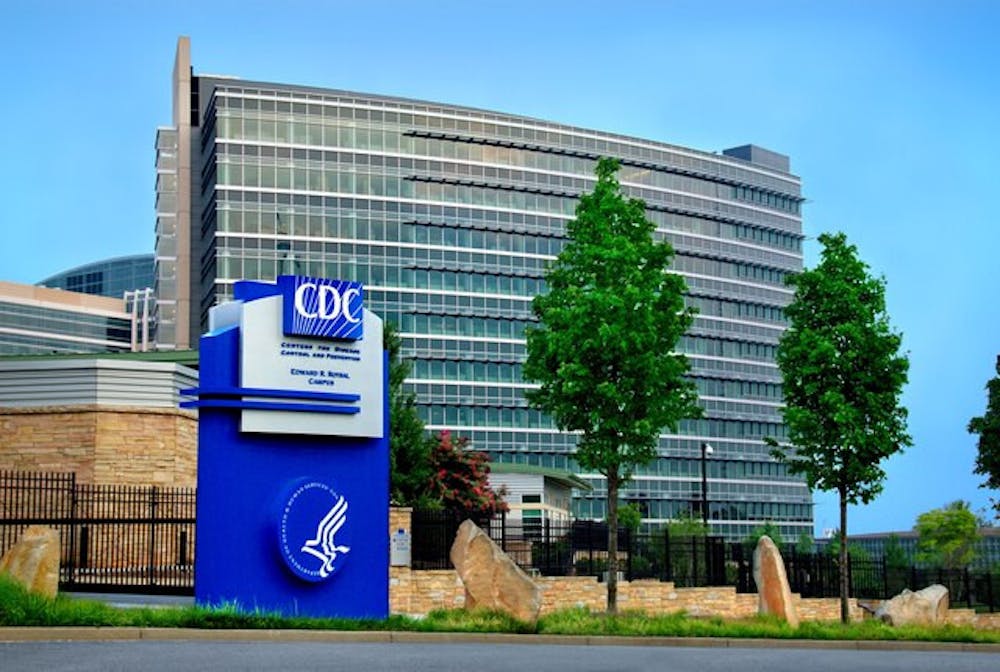
Emory University receives over $180 million from the CDC and is a valuable HIV research institution. As students, we have a responsibility to confront this emerging public health threat. HIV outbreaks will only grow due to converging factors: U.S. President Donald Trump administration’s cuts to HIV research funding and CDC prevention programs, the Department of Health and Human Services’ erosion of public health infrastructure and the systematic displacement of vulnerable populations by both federal and state governments. These are life-and-death issues that demand immediate student advocacy and institutional action.
HIV remains an incurable, life-threatening disease disproportionately affecting low-income communities. Without treatment to manage the virus, HIV can lead to acquired immunodeficiency syndrome (AIDS) and increases the risk of contracting hepatitis, tuberculosis, pneumonia and other infections. For those with insufficient health insurance, HIV can be a death sentence. Lenacapavir, the gold standard preventative treatment requiring only two injections per year, costs over $28,000 annually, making it unaffordable for many. For Americans experiencing homelessness or substance abuse disorders, HIV remains deadly — not because modern medicine cannot help, but because the American healthcare system prioritizes profit margins over treating a manageable virus.
These inequities serve as a grim reminder of the AIDS epidemic during former President Ronald Reagan’s administration, during which the federal government’s indifference toward HIV decimated entire communities. The nationwide CDC response was crucial during the first AIDS epidemic, coordinating research, tracking and intervention strategies that ultimately brought the crisis under control.
Today, the Trump administration has dismantled much of that infrastructure — for instance, in a recent executive order, the administration defunded homelessness and harm reduction initiatives. The National Institutes of Health also reduced or eliminated many federal grants supporting HIV research. These cuts are causing delayed treatments, missed prevention opportunities and preventable deaths. Most recently, the 2025 government shutdown prevented all CDC deployment, specifically their epidemic aid team, making treatment entirely inaccessible.
There is robust scientific evidence proving that SSPs reduce HIV transmission. In addition, SSPs do not increase injection frequency, unsafe syringe disposal or crime rates — rather, they allow injection drug users to access and afford safer practices before finding treatment. Many of these programs also partner with HIV testing organizations, counseling and treatment referral services. The CDC recognizes SSPs as safe, cost-effective programs that reduce the rates of viral infections, yet current policymakers continue to prioritize political optics over evidence-based public health policy.
Emory’s unique partnership with the CDC places the University at the epicenter of the country’s public health ecosystem. As federal and state support for disease tracking weakens, Emory must not back down — beyond continuing research, the University must advocate for even more preventative resources. More than 90% of HIV patients in the United States have taken drugs that Emory researchers like Samuel Candler Dobbs Professor of Chemistry Dennis Liotta, Emory School of Medicine Department of Pediatrics Professor Raymond Schinazi and Woo-Baeg Choi invented.
The University has a responsibility to remain actively engaged in addressing HIV outbreaks across the country in the face of nationwide uncertainty. The University must leverage its partnerships with the CDC and its national platform to take a public, proactive stance on the growing threats posed by cuts to federal funding for research and harm reduction services.
Emory students should also be at the forefront of the fight to advance public health. In 2023, 600 of 1,400 incoming Emory College of Arts and Sciences first-year students were on the pre-medical track. If you are training to save lives, start now. Programs like the Georgia Harm Reduction Coalition rely on federal funding from the Substance Abuse and Mental Health Services Administration to provide essential needle-exchange and outreach services. However, the federal government has proposed cutting this funding next year. To combat this, volunteer, advocate and demand the University use its funding to fight these cuts publicly and fight for these initiatives that save lives. Maine’s HIV outbreak is not a distant tragedy, it is a preview.
Atlanta is vulnerable to HIV outbreaks, and the risk increases as the Trump administration continues to dismantle public health infrastructure. Students, future doctors, nurses and public health professionals must defend science-based health systems. Silence causes deaths, often preventable ones. The University already invests in and advocates for HIV research, but it is essential to continue the fight for science and safety on all fronts.
The above editorial represents the majority opinion of The Emory Wheel’s Editorial Board. The Editorial Board is composed of Editorial Board Editor Carly Aikens, Shreyal Aithal, Ananya Jain, Mira Krichavsky, Wayne Liang, Pierce McDade, Niki Rajani, Noah Stifelman, Meiya Weeks and Crystal Zhang.